

Protecting historic areas near Faversham
Published
Monday 13 April, 2026
Updated
Monday 13 April, 2026
Swale Borough Council has added more protections for three historically important areas near Faversham, thanks to public feedback.
The council has been reviewing the existing conservation areas in Graveney and Goodnestone as part of their commitment to deliver their adopted heritage strategy.
A public consultation asked for critical local knowledge on what makes the Graveney Bridge Conservation Area, Graveney Church Conservation Area and Goodnestone Conservation Area so special.
Thanks to the public’s input the boundaries of these conservation areas have become bigger to incorporate more areas of local importance, including:
- Graveney Church - now covers the church parking area and part of the reinstated footpath so that the historic route and its setting can be properly protected.
- Graveney Bridge - now includes the parking area beside the Four Horseshoes Inn because it contributes to the historic character with its openness, traditional boundaries, and informal surface still reflecting its rural origins.
- Goodnestone - now encompasses the only remaining orchards behind properties from Poplar Hall north to Goodnestone Lane which reflect the historic land use.
The name Graveney is believed to originate from the Old English words ‘grafa,’ meaning ‘trench’ and ‘ēa,’ meaning ‘river’.
Evidence of the village’s medieval farming history is scattered throughout the area, along with the discovery of the most well-preserved Viking ship in England, the Graveney Boat, which dates to the early 9th Century.
The Grade I Church of All Saints and the Grade II Bridge House are standout architectural and historical assets and are important features of the two conservation areas within Graveney.
Goodnestone’s name originates from Godwineston or "the farm of Godwin," reflecting its rich Saxon heritage, but evidence of human settlement goes all the back to prehistoric times, with a hand axe being found in the area.
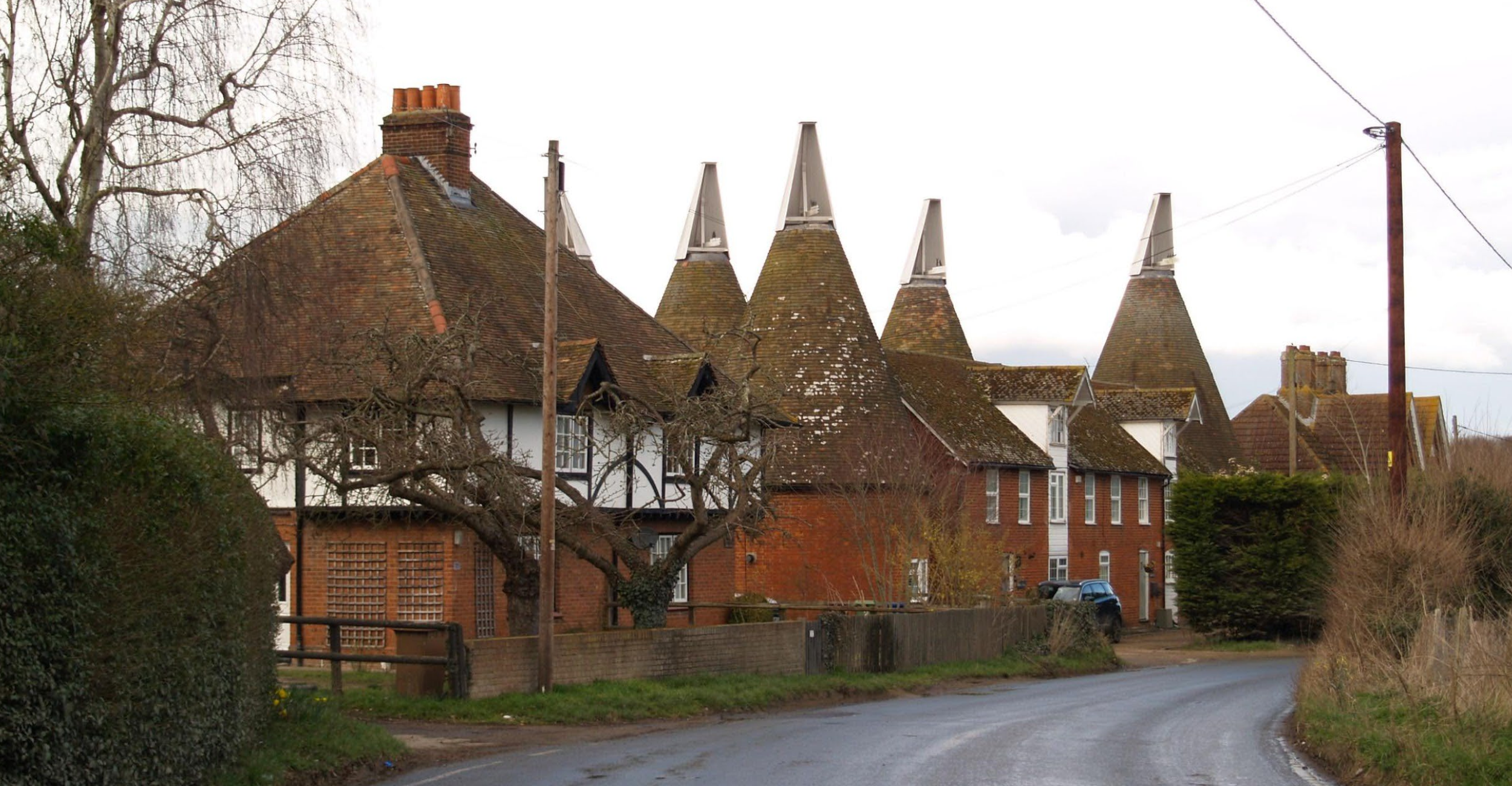
The Grade I Church of St Bartholomew demonstrates the areas medieval history, while the Grade II Oast House Complex stands as the sole remaining structure from what was once a flourishing hop-growing industry in the region.
Cllr Mike Baldock, Swale Borough Council’s Heritage Champion, said:
“We are incredibly fortunate to live in a place which boasts such a unique mix of natural, historic and heritage assets which all contribute to what makes Swale such a special place.
“Graveney and Goodnestone are no different, offering a window into rural life through the ages, from prehistoric life, Roman artefacts, Viking invasion, existing medieval buildings, all the way to the recent hops industry.
“These conservation areas, and their management plans, provide us the tools needed to inform planning decisions and offer special protections to our historic and heritage assets.
“Thank you to everyone who contributed to our consultation, your local knowledge is vital to make sure we can protect the history and heritage that truly matter to you.”
Conservation areas are designated for their special architectural or historic interest, which must be preserved or enhanced.
- the council has enhanced control over most forms of demolition within conservation areas
- additional planning controls apply to household extensions and alterations in conservation areas
- all trees in conservation areas are protected and require prior notice before works
- planning decisions must give special attention to preserving or enhancing the area’s character and appearance
- local policies support development that positively contributes to the conservation area’s character